


Everbond is the all wood glue. It is capable of gluing all woods, including the notoriously hard to bond oily or acidic hardwoods. It is now available across Europe in metric packaging. It was formerly sold by us as ‘Oak and Teak’ epoxy resin.
Everbond: the All Wood Glue
- Everbond is the All Wood Glue because it will glue all woods, even acidic or oily hardwoods; dissolving oils and unaffected by acids
- It will, with proper surface preparation, glue a wide variety of metals, glass, rubber and plastic
- Cured Everbond flexes with wood once set whilst maintaining formidable strength
- This flexible adhesive is excellent for dissimilar woods and cross grain joints due to its ability to absorb stresses and impacts
- Gap filling and structural
- Waterproof and Weatherproof
- Cures to an inconspicuous transluscent orange, which leaves nearly invisible glue lines
- Leaves no blush allowing reliable adhesion of subsequent finishes without sanding
Mixing Working and Curing
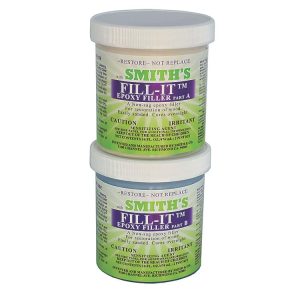
Mix Everbond, the all wood glue:
- 1:1 by volume
- 10 parts A to 12 parts B by weight.
For best results mix the all wood glue in one container, then transfer it to another container and mix again. Mix by hand to avoid introducing small bubbles which will weaken the glue.
Allow Everbond to stand for 10 minutes after mixing until the all wood glue becomes clear.
Allow Everbond to stand on joints with exposed end grain or exceptional roughness for at least ten minutes before assembly. The absorbtion into the wood that gives the exceptional bond strength should happen before the joint is assembled. This avoids the risk of glue starvation at the joint.
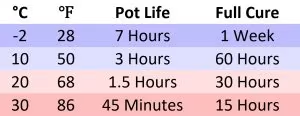
Everbond Working Times
Health and Safety
Everbond is an Epoxy Resin, and like all epoxy resins skin sensitisation can occur. We recommend that gloves are worn when working with Everbond, the all wood glue, and that skin contact is minimised.
Timber Preparation
Do not use solvents to wipe the oils from oily hardwoods. Inferior glues may recommend this – Everbond is the all wood glue and does not need it. It will weaken the bond.
Use paper or cloth towels to remove uncured adhesive. Do not use solvents to remove excess around joints as this will weaken the joint. Our epoxy clean up solvent can remove any uncured epoxy from tools or spills. Everbond sands easily once cured.
Mill Glaze
Mill glaze is caused by high speed machine tools: routers, planers, saws etc. The heat generated polymerises oils within the wood and turns those oils into varnishes. These varnishes (mill glaze) inhibit absorption of any wood glue into the wood itself. Blunt tools are worst for this as they generate more heat.
Remove visible mill glaze from timber before assembly. Even if no visible mill glaze exists a light sanding will ensure clean timber and hence good absorption of glue into the wood. Remove sanding debris with a tack rag or compressed air.
Clamping
The aim of clamping is to squeeze out excess glue and to bring the wood pieces into contact at the microscopic high points within the joint itself.
Clamping is not to be used for forcing poorly fitting pieces together, as those forces will still be present once the joint is assembled and the glue is cured.
Use either:
- Gentle clamping pressure and ideally thick rubber pads to spread the load
- Dead weights applied to gently hold the bonded surfaces together
This avoids glue starved joints caused by forcing the glue out whilst curing. High clamping pressures can damage wood fibres and weaken the timber itself, as well as removing all the glue from a joint.
Limitations of Everbond – the All Wood Glue
* Wood is a natural product with a grain. It expands differentially across and along the grain with changes in temperature and moisture. The forces generated by this can cause the wood itself to shear. No glue can stop this, not even Everbond – the All Wood Glue.
The All Wood Glue – FAQ
Why do I need an All Wood Glue?
You can of course use this glue on any piece of timber. You really NEED this glue when you:
- Are gluing acidic woods like oak. Oak and teak Epoxy wood glue is not affected by the acids present in any timber
- Need to glue oily woods like Teak or even Cocobolo. The all wood glue will displace the oils and give a dependable joint without using solvents which will always weaken the bond
- Want a permanently waterproof joint. Imagine the durability of your doors and windows if you have permanently waterproof joints
- Need massive bond strength. The slow cure and long open time of our all wood glue allows deep penetration into the wood fibres and consequently a durable bond
- Require a structural gap filling adhesive that will flex with your wood as your doors or windows are opened and closed for example
Why would I not use this all wood glue all the time?
This glue has a couple of negative attributes of course:
- It’s a two part adhesive and has to be mixed carefully before use
- It is more expensive than many other adhesives, PVA for example
How long do I have to work with it?
Our EverBond All Wood Glue offers a 90 minute working time at 20 degrees Centigrade. This allows for complex pieces to be assembled without rushing. The slow cure and long open time is responsible for the deep penetration and consequent high bond strength.
Can I glue anything else with it?
Yes, it’s very versatile indeed and can bond a great variety of common materials. Full details are further down the page.
Tell me more about this remarkable All Wood Glue
Oak and Teak Epoxy Wood Glue will of course bond all non oily hardwoods and softwoods that lesser epoxies are also capable of gluing. Oak and Teak Epoxy Wood Glue is unaffected by the natural acids common to many woods, which is why it bonds Oak so readily.
It will also (with proper chemical surface preparation) glue a wide variety of metals(instructions here) or glue plastic materials(instructions here).
You can also glue:
- Glass. Clean the surface with an alkaline solution such as caustic soda (sodium hydroxide) or aqueous ammonia. These are nasty so wear rubber gloves. The glue should bond to the clean surface that results.
- Rubbers:
- Silicone (sanitary sealant, fishtank glue, rtv gasket sealant etc – very flexible). It won’t glue this.
- Neoprene and other ‘black’ rubbers. Sand with rough sandpaper and you should get a bond. Moulded rubbers should be assumed to have residual mould release wax on them, and may require more sanding.
The cured adhesive is completely waterproof and weatherproof.
EverBond – The All Wood Glue glue uses Smith and Co’s Dual Synergistic Catalyst™. This is a breakthrough in the control of epoxy resin curing. This new technology not only gives a long working time but also cures twice as fast as older-technology products. Furthermore it won’t smoke off in your mixing pot like other brands.
The cured adhesive leaves an unobtrusive glue line and sands back easily. It is a translucent orange in colour.
Oak and Teak Epoxy manufacture / packaging in the UK
We are (Jan 26) in the advanced stages of manufacturing and packaging this product in the UK. This will offer us good availability, fully EU / REACH compliant packaging and metric sizes (25ml, 250ml, 500ml, 1, 2 and 10 Litre kits) when we have this capability. In the meantime we have also ordered a bulk supply of Oak and teak from America. This landed in November 2025 and is being packaged in metric sizes in the UK now. We should have Oak and Teak in metric sizes available for purchase from early March 2026.


Ian Hunt –
Good glue. Just started using it but so far seems ideal for Accoya – which is a hard timber to glue.
Paul –
Great glue for guitar fretboard gluing.. Works perfect with any fretboard wood . It does not induce any unwanted moisture in the neck . Easy mixing .
Peter Shield –
Oak & Teak Epoxy Adhesive. Nice and easy to dispense equal amounts ready for mixing from the 380mL bottles. Mixed lifetime long enough to allow plenty of assembly and clamping time. Finished joint being incredibly strong after a couple of days curing. Wish I had found this glue many years ago for all my boat repair work.
Jim Moss –
Oak & Teak. I am new to this adhesive and purchased primarily for bonding cocobolo,but after speaking to Steve at makewoodgood he assured me it was good for filling voids, shakes and other natural defects in wood which it does, but I found it a bit too viscous for some of the smaller cracks, however I had about 1/2 an ounce left over so I thought I would experiment with some cellulose thinner and it does work obviously the curing time is extended but after 3 days it was solid so I can’t praise this enough.
Wayne Dove –
epoxy glue. About a year ago I purchased some epoxy glue for a job using oak.
I wanted to be sure the joints held, especially the edge to edge ones. I was pleased with the results, and the fact that I was able to purchase a convenient volume of glue… not having to buy so much that it would be wasted or having to worry that I might be short. I still have a tiny bit left , but know when the need arises I’ll be back!